Showing posts with label Vitamins and Minerals. Show all posts

Not Having Enough Folic Acid May Speed Up Hearing Loss

hearinglossSince I mentioned folic acid in the last blurb, let me share with you research published in the Journal of Nutrition that linked a deficiency of folic acid in the blood with a 35% increased risk of hearing loss.

The researchers found that folate levels below 11 nanomoles per liter was associated with a 34% increased risk of age-related hearing loss and if the levels of homocysteine was 20 micromoles per liter it was associated with a 64% increase in the risk of hearing loss.

In another study published in the Annals of Internal Medicine, scientist reported that, among 728 men and women between the ages of 50 to 70, folic acid supplements reduced the risk of developing hearing loss by 20%.

So…combining the research in the story above, you may reduce your dementia while you increase your hearing by taking folic acid and the other B-Vitamins.

Sources include cereals, baked goods, leafy vegetables (spinach, broccoli, lettuce), okra, asparagus, fruits (bananas, melons, lemons), legumes, yeast, mushrooms, organ meat (beef liver, kidney), orange juice, and tomato juice.

Taking B-Vitamins May Help Reduce The Risk Of Alzheimer’s Disease

bA study published in Public Library of Science One conducted by the University of Oxford found that a combination of folic acid, Vitamins B6 and B12 (which are all B-Vitamins) appears to slow brain atrophy in elderly patients with mild cognitive impairment.

The study followed 168 participants over two years. One-half were treated with a European drug called TrioBe Plus® which contained a combination of folic acid (0.8 mg/d), and Vitamins B6 (20 mg/d) and B12 (o.5 mg/d). The other group received a placebo.

Those taking the vitamins had on average 29.6% less brain shrinkage. The vitamins also reduced homocysteine by 22.5%. Homocysteine was found in The Framingham Study to double a person’s risk of dementia if they had homocysteine levels above 14 micromoles per liter of serum.

By the way, this is an example of where a drug company is researching a combination of vitamins and if successful, then the drug company will patent the vitamin formula. The drug company will then be able to raise the price of the vitamins to drug price levels.

Fortunately, you can still get a B-Complex which will have all these ingredients. You can even buy them separately. So…if someone you know has dementia, get them taking these B-Vitamins.

Being Real Busy Can Be Healthy

toobusy2You’re busy, busy, busy. It turns out that you may be healthier than people who say they are often bored.

British researchers found that the bored people were more likely to die of a heart attack.

Boredom may be linked to skipping workouts and junk food, which can lead to depression and poor health.

So…if you’re going to be busy, busy, busy - make sure you eat healthy and leave time to exercise, too.

So, What to Do If You Do Have Abnormal Test Results on the Alzheimer’s Balance Test?

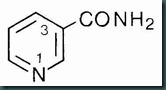
niacinamideUntil recently there hasn’t been a really effective treatment for Alzheimer’s disease. The only approach was prevention strategies.

Well, there is now a safe, inexpensive and effective treatment. It is using vitamin B3 – Nicotinic Acid (in the form of niacinamide, a no-flush form of niacin or B3).

Nicotinic acid (B3) and its amide, niacinamide, are called vitamers, because both equivalently act as a vitamin. Niacin (a word derived from the Nicotinic acid vitamin) is a generic term describing both vitamers together.

An observational study of over 6,000 people 65 years of age and older found that compared to people in the lowest fifth of niacin intake, those with higher intake had reduced between 20% to 50% the progression and risk of Alzheimer's Disease. This result was after adjustment for age, sex, race, education, ApoE type and intake of vitamins E & C as well as beta-carotene. The effect was specific to B3, as opposed to the other B vitamins [JOURNAL OF NEUROLOGY, NEUROSURGERY, AND PSYCHIATRY; Morris,MC; 75(8):1093-1099 (2004)].

In further research, Niacinamide was also shown to cause a 60% decrease in the marker called tau protein.

Niacinamide additionally increased microtubules, which carry information inside brain cells. Microtubules are like highways inside the cells. Niacinamide makes the highways wider and more stable.

Some of the research done with mice and niacinamide brought the mice back to the level where they didn’t have the pathology. It even improved the behavior in non-demented animals.

The researchers think that niacinamide is good for Alzheimer’s disease and normal people, too. Since niacinamide has been used extensively for many purposes over the past 60 years, its safety is well proven.

The amount of niacinamide that is recommended is 1,000 milligrams taken three times a day.

In adult doses above 3 grams per day niacinamide has a potential for causing liver damage [DIABETOLOGIA; Knip,M; 43(11):1337-1345 (2000)].  Always seek your doctor’s advice in determining dosage safe for you.

As an aside, nearly everyone in another study reported that their arthritis symptoms disappeared after three to four of months of taking niacinamide.

Tea + Exercise + Vitamin D Can Stop Dementia

Three studies were presented at the Alzheimer’s Association International Conference, all reporting a reduction in the risk of brain decline by doing physical activity by regular tea drinking or adequate Vitamin D.

The study on exercise tracked more than 1200 elderly people over 20 years. It found that 242 developed dementia. Participants who performed moderate to heavy levels of physical activity had a 40% lower risk of developing any type of dementia. Those who reported the least amount of activity were 45% more likely to develop dementia.

The study on tea drinkers included 4800 men and women 65 and older. The participants were followed for 14 years. Those who drank tea one to four times a week had an average rate of decline 37% lower than people who didn’t drink tea.

The study on Vitamin D looked at 3325 US adults aged 65 and older. For those deficient in Vitamin D the risk of cognitive impairment increased about 42%. For those severely deficient in Vitamin D, the risk increased 394%.

These are great ways to stop dementia in its tracks. So…take some Vitamin D with tea and move your body.

Combining Vitamin D With Curcumin May Affect Brain Health

curcumin I’ve written many times about the benefits of Vitamin D3 and curcumin. Now researchers are combining the two as a way to boost the body’s immune system and also help clear protein plaques out of the brain that are linked to Alzheimer’s Disease.

The researchers in this study, published in the Journal of Alzheimer’s Disease, took blood samples from nine Alzheimer’s disease patients and treated them with Vitamin D and curcumin. The researchers found that the curcumin enhanced the binding of beta-amyloids to macrophages, which are the scavengers of our immune system. The Vitamin D could then strongly stimulate the uptake and absorption of the beta-amyloids by the macrophages.

While this is early-stage research, it’s got exciting potential.

Natural Ways To Fight Osteoarthritis

osteoarthritis2 Research published in Advances in Therapy found that giving study participants 1500 mg of glucosamine sulfate and 200 mg of omega-3 fats resulted in a 20 percent reduction in pain reported to researchers. While glucosamine was effective by itself, combining it with omega-3s really increased its effectiveness. Adding these nutrients together, prevented cartilage degeneration that occurs with osteoarthritis.

Another supplement to explore for relief from osteoarthritis is MSM (methylsulfonylmethane). It can help with arthritis, muscle soreness, shingles and many other painful conditions. In one study of arthritis sufferers reported by Raymond Francis, one group took 2,250 mg of MSM per day. They experienced an 80% reduction in pain over a 6 week period.

Yet another study compared groups taking 1500 mg per day of glucosamine, 1500 mg of MSM or the two together. At the end of 12 weeks, the glucosamine group experienced a 63% reduction in their pain. The MSM group’s pain levels dropped 52% and the group taking both nutrients experienced a 79% reduction in their pain. In addition, the combination group experienced quicker relief in both their pain and inflammation levels.

Keep in mind, you want to take chondroitin with glucosamine, msm and omega-3s.

Taking Multivitamins May Help You Live Longer

Research published in the American Journal of Clinical Nutrition found that the cells of multivitamin users may have a younger blood cell age than the cells of non-users.

The researchers examined the length of women’s telomeres, which are located at the end of each cell. Each time the cell reproduces, the telomere shortens and when it’s totally gone, the cell dies.

The researchers analyzed the multivitamin use, nutrient intake and telomere length in 586 women. The daily multivitamin users’ telomeres were on average 5.1% longer. This result means that taking a multivitamin may be one of the easiest things you can do to increase your cells’ longevity.

Taking Multivitamins May Help You Live Longer

clinicalnutrition Research published in the American Journal of Clinical Nutrition found that the cells of multivitamin users may have a younger blood cell age than the cells of non-users.

The researchers examined the length of women’s telomeres, which are located at the end of each cell. Each time the cell reproduces, the telomere shortens and when it’s totally gone, the cell dies.

The researchers analyzed the multivitamin use, nutrient intake and telomere length in 586 women. The daily multivitamin users’ telomeres were on average 5.1% longer. This result means that taking a multivitamin may be one of the easiest things you can do to increase your cells’ longevity.

Cut Colon Cancer Risk By Using Folate

In a report published in Cancer Epidemiology, Biomarkers and folatePrevention, Harvard researchers studied 88,000 women patients  which included examining their family history. Those who had a family history of colon cancer cut their risk of developing colon cancer by more than 50% by taking 400 mcg of folate a day. This drop brought them down to normal risk levels. Women who had no family history of colon cancer saw their risk drop an extra 19%.

Spinach and other leafy greens, lentils, garbanzo beans and citrus fruits and juices are all good sources of dietary folate. Folic aid is the synthetic form of the vitamin that is used in supplements and in fortified foods. So…add more folate to your diet and/or add a folic acid supplement.

Using Vitamin C May Protect Your Knees From Arthritis

arthritis-knee Australian researchers conducted a study with 293 middle-aged people who were free of knee pain.

After 10 years, they found that the people eating high amounts of Vitamin C were less likely to exhibit the bone degeneration that leads to the development of osteoarthritis in the knee.

The researchers attributed the effect to the antioxidant impact of Vitamin C. The researchers also found that other antioxidant’s including lutein and zeaxanthin (found in spinach) can also protect against age-related wear and tear.

So…eat your fruits and veggies and take a couple of thousand milligrams of Vitamin C through out each day. Just make sure there are bioflavinoids in your supplement as it helps the Vitamin C to be absorbed into your system.  (Reported Prevention Magazine, January 2008)

Search for things you are interested in that I may have written about in my Newsletter Archives here: http://linkbee.com/TeplitzReports

Making Sure You Have Enough Vitamin D In Your System

Making Sure You Have Enough Vitamin D In Your System

As I’ve reported before, Vitamin D is becoming more and more important in disease prevention and healing. We are also discovering that many of us are deficient in Vitamin D.

Even though your own body can create it by being out in the sun without sunscreen, most of us spend very little time in the sun. This means we need to consider taking supplemental Vitamin D3 (D3 absorbs the best).

So how do you determine what level of Vitamin D you have in your body? You can get a baseline measurement by having a blood test, but you need to make sure your doctor is requesting the right one.

The best blood test is called 25(OH)D which translates to 25-hydroxyvitamin D. For optimum health your results should be higher than the normal range. Normal is 20-56 mg/ml, while optimal is 45-50 mg/ml. Also, make sure your level is never below 32 mg/ml.

Finally, ask what analysis system the lab is using. One testing method called the Quest system gives false results that appear to be 25-40% higher than the better test, the DiaSorin assay, which is available at LabCorp. In addition, the LabCorp test costs less than half of the Quest test.

So…get your Vitamin D level measured make sure it’s the right test and it’s being done via the right method.

Increase Melatonin With Special Blue Light-Blocking Glasses

Melatonin has been shown to be of value for many things. It can help us sleep better, reduce headache frequency by around 50%, reduce the length of time a migraine lasts, decrease irritable bowel syndrome abdominal pain, lower nighttime blood pressure and protect us from cellular and mitochondrial DNA damage, which can cause cancer.

While all this sounds great, we may not be producing enough melatonin in our bodies to receive these benefits. Melatonin is produced at night and bright lights dramatically reduce the production of melatonin in our bodies. Recent research has discovered a way to stop bright light’s interference with melatonin production – wear blue light-blocking glasses. These glasses filter out just the blue wave length, which is the part of the spectrum that suppresses the production of melatonin.

Canadian researchers exposed volunteers to a bright light for an hour during the middle of the night. The volunteers wore either the blue lenses or gray lenses. The researchers then compared the volunteers’ melatonin levels to their levels on a night with no light exposure. They found that the gray-lenses group had a 46% decline in melatonin, while the blue-lenses group had a slight increase in production. Other reports have found that the blue glasses reduce daytime sleepiness, depression, as well as pain from fibromyalgia. Kids with ADHD also experienced an improvement in symptoms.

So…you might experiment with these special blue light-blocking glasses for a month. If you don’t want to do that but you still want to get the benefits of melatonin, you can take a supplement with 3 mg of melatonin 30 minutes before bedtime.

(Reported in Whitaker Wellness Report, February 2008)

The Importance Of Vitamin B12 To Keep Your Brain Young

About 40% of the US population is deficient in Vitamin B12. Recent research has shown that older people with low levels of Vitamin B12 are at increased risk for brain atrophy or shrinkage. Brain atrophy is associated with Alzheimer’s disease and impaired cognitive function.

This study, involving more than 100 volunteers aged 61 to 87, found that individuals with the lowest Vitamin B12 levels at the start of the study had a greater decrease in brain volume after five years. Those with the lowest levels of B12 had a six-fold greater rate of brain loss.

An important fact to note is that none of the participants were actually deficient in Vitamin B12, though they were in the low level of normal range.

As I said, since 40% of the population is actually deficient, this means the number of older people experiencing brain loss is probably much higher. It also means having a blood test that shows your B12 level is in the ‘normal range’ might not mean that you are at the level for optimum healthy brain functioning.

So…get your Vitamin B12 level checked by your doctor and make sure you aim to keep it at the higher end of the normal range.
(Reported in Neurology 2008)

It's Mosquito Time – Defend Yourself Now!

It's Mosquito Time – Defend Yourself Now!

It's mosquito time again. Yes you can buy bug sprays, but do you really want that poison in or on your body?  Well there's a natural alternative available that I wrote about a couple of years ago in the Teplitz Report. 

Since there are so many new subscribers to the newsletter, let me share the solution with you again. It's Vitamin B1. All you need to do is take 100 mg every six to eight hours when you are going to be outside.

The Army did the original research on this years ago. They sent two groups of soldiers out into the bush for two weeks. One group was given bug goop and the other group took Vitamin B1. When they came out of the bush, the group using the bug goop was covered with bug bites. The Vitamin B1 group had hardly any bites on them.

I went camping last summer with some friends who have hiked the Appalachian Trail. They were willing to use the Vitamin B1 and were surprised when they had no bites at all at the end of the weekend.

So give it a swallow and let me know how it works for you!  Email me and I will include your link on our Ezine Archive Page!

PS:  If you also have the need to spray, Avon's Expedition is BAR-NONE, YES!  It is the most natural of sprays, and does not even require washing after you've applied.  NATURAL and EFFECTIVE.

  • I've had subscribers tell me incredible stories - "It is like a barrier, even if there are thousands of mosquitoes around you, they WILL not penetrate the area around your body." 
  • I'm not sure why, from a technical standpoint, at this point, I only know that it works - where friends are sitting out and none are bit!  So add Vitamin B1 to your daily regimen (many additional benefits), and if you want Xtra protection, you can now order online and have Avon deliver Expedition directly to you, ...

Bookmark and Share Bookmark this post/blog

HAY FEVER SEASON & Vitamin C, Vegetarian Diet

I've had uncontrollable hay fever ever since I was six years old. I had weekly shots for 9 years and took two pills every day of the season. It was still not completely controlled.

Thirty years ago I became a vegetarian because a friend told me meat produces histamine in the body and when you have hay fever you take anti-histamine pills.

Well, was I amazed at the change. My suffering went way down. A couple of years later I discovered that Vitamin C in mega doses acted as an anti-histamine with no side effects. Well, I was further amazed at the change.

So here are some things you might want to do if you do have allergies:

1. Just before and during the hay fever season eat vegetarian style.

2. Start taking 2000 mg of Vitamin C (spread the dose over the day, or order time-released versions here: Swanson First Time Customer Coupon - $5.00 Off ).

When your hay fever hits, take about 500 to 1,000 mg of Vitamin C every 5 to 10 minutes. At some point your hay fever symptoms will stop. If they start again, keep taking the C as I described.

You don't have to be concerned about taking too much Vitamin C for several reasons. First, it gets used up immediately whenever the body is under stress and a hay fever attack is an attack. Second, Vitamin C is water-soluble so it doesn't collect in the body. Third if you do take too much Vitamin C, you can get diarrhea so just reduce the dosage.

In 30 years of doing this I've never had a problem with C.

Bookmark and Share Bookmark

New Hope For Preventing ALS (Lou Gehrig’s Disease)

ALS is a devastating disease that quickly and aggressively kills neurons controlling voluntary muscle movement.

Researchers at the University Medical Center, Utrecht and Wageningen University, Netherlands, compared the diets of 132 ALS patients and 220 control subjects.

The ALS patients showed significantly less Omega 3 and 6 fatty acids and Vitamin E in their diets. The researchers think that this lack in the diet may possibly make them more susceptible to ALS.

The researchers’ findings indicate that Omega 3 and 6 fatty acids and Vitamin E protect our neurons, making people who regularly consume them 50 to 60% less vulnerable to ALS than those who don’t. Reported in Natural Solutions.

Order Omega-3 and Save

Bookmark and ShareBookmark

Danish Study Warnings Against Taking Vitamins C & E are Wrong...

Recent Warnings Against Taking Vitamin C & E Are Wrong

There were recent reports in the media about a study that found that taking Vitamins C and E caused a higher risk of death. In the Danish study researchers reported a 4 to 7 increase in death risk in those taking the vitamins.

According to Jeffrey Blumberg, Ph.D., director of the antioxidants research lab at Tufts University in Boston, the methodology was flawed since most of the people in the study were already very ill.

Blumberg also said that hundreds of studies have been conducted showing the safety of Vitamins C & E.

So…I’m still taking mine.
(Reported in AARP, July&August 2007)

Bookmark and Share Bookmark

THE POWER OF VITAMIN E

I'm talking about Vitamin E.  In recent years, there have been a number of reports on the power of Vitamin E.

 
1.  Diabetes - A study of people taking 800 IU's of E per day had a significant drop in blood sugar levels.

2.  Colon cancer - Those with the highest intake of E had almost a 75% lower risk of having the precursors of colon cancer.

3.  Parkinson's Disease - A study in the Netherlands reported that high levels of E were linked to a low incidence of Parksinson's in the 5,300 people in the study.

4.  Alzheimer's - Scientists at Columbia University gave mid-stage Alzheimer's patients 2,000 IU's of E.  The vitamins seemed to slow deterioration by 25% in the ability to do everyday tasks.

5.  Age-related immune system increase - A study was done to see if E could improve the immunity of people over 65.  The results of 200 mg per day was a 65% increase in immune response and a 600% increase against Hepatitis B.

So, how much should you take?  I'd recommend 400-800 IU's per day.  When you buy Vitamin E, you have to read the small print to determine if it's natural (which is what you want) vs. synthetic. 

If it says d-alpha, it's natural. If it says dl-alpha, it's synthetic.  The product with the letter "l" is what you want to avoid.

If YOU'RE A WOMAN & YOU DRINK, THEN DO THIS

Nurses who had one drink a day had a 24% greater chance of getting breast cancer.

However, the nurses who also got 600 micrograms of folate per day cut their risk in half.

So if you're going to have a drink per day make sure you take a folate supplement.